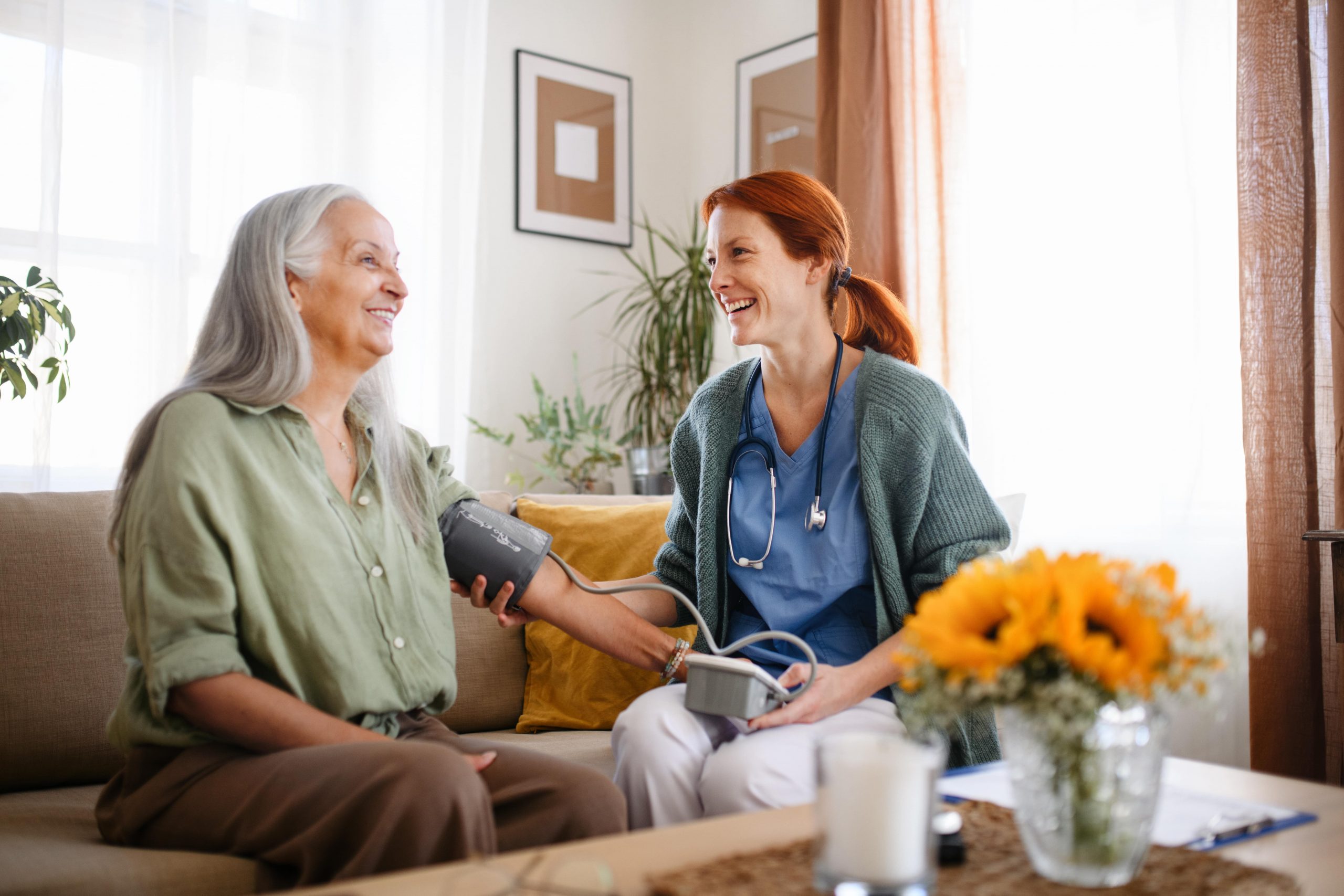
Caring for elderly loved ones is both a responsibility and a meaningful act of love. As parents and grandparents age, their physical, emotional, and medical needs often change. Tasks that were once simple may require assistance, and maintaining independence can become more challenging. Families who step into caregiving roles may feel overwhelmed at first, especially when balancing work, personal life, and caregiving duties.
Providing proper elderly care goes beyond meeting basic needs. It involves understanding emotional well-being, ensuring safety, managing health conditions, and offering consistent companionship. Every senior has unique preferences and health requirements, so personalized care is essential. By adopting practical caregiving strategies and maintaining open communication, families can create a supportive environment that promotes dignity and comfort. Below are five essential tips to help guide compassionate and effective senior care at home.
Prioritize Health and Medical Management
Managing health is one of the most important aspects of elderly care. Seniors may require regular medication, routine check-ups, and monitoring of chronic conditions such as diabetes or hypertension.
Creating a clear medication schedule helps prevent missed doses or confusion. Attending medical appointments and keeping organized records ensures consistent care.
Within structured elderly care support and senior wellness management strategies, proactive health monitoring significantly improves quality of life. Early detection of changes in physical or mental health can prevent serious complications.
Caregivers should maintain open communication with healthcare providers to stay informed about evolving needs.
Create a Safe and Comfortable Living Environment
Safety at home reduces the risk of accidents. Installing grab bars in bathrooms, removing loose rugs, and improving lighting can prevent falls.
Furniture should be arranged to allow easy movement, particularly for seniors using walkers or wheelchairs. Non-slip mats and stable chairs add extra security.
Comfort is equally important. Maintaining proper room temperature and ensuring accessible essentials enhance daily living.
A safe environment promotes independence while minimizing risks.
Support Emotional and Mental Well-Being
Loneliness and isolation can significantly affect elderly individuals. Regular conversations, shared meals, and simple activities foster connection.
Encouraging hobbies such as reading, gardening, or light exercise keeps the mind active. Social interaction with friends or community groups also benefits mental health.
Within compassionate family caregiving guidance and aging loved one assistance practices, emotional support is just as vital as physical care.
Active listening and empathy strengthen trust and reassurance.
Encourage Independence and Dignity
Maintaining independence helps preserve self-esteem. Allowing seniors to perform tasks they can safely manage builds confidence.
Offering assistance only when needed respects their autonomy. Small decisions—like choosing clothing or meals—help maintain a sense of control.
Balancing support with independence prevents feelings of helplessness.
Respect and patience are essential in every interaction.
Practice Self-Care as a Caregiver
Caregivers often neglect their own well-being. However, burnout can reduce effectiveness and emotional resilience.
Taking breaks, seeking support from other family members, or joining caregiver support groups helps manage stress.
Setting realistic expectations prevents overwhelming responsibilities.
Healthy caregivers provide better care to their loved ones.
Conclusion
Caring for elderly loved ones requires patience, empathy, and thoughtful planning. Prioritizing health management, creating a safe home environment, supporting emotional well-being, encouraging independence, and practicing caregiver self-care are all essential components of effective senior support. Each elderly individual has unique needs, and adapting caregiving strategies ensures dignity and comfort. While the journey can be demanding, it also provides opportunities to strengthen family bonds and show gratitude for years of love and guidance. Consistent communication, medical awareness, and emotional connection create a balanced approach to caregiving. By focusing on both physical and emotional aspects of aging, families can provide meaningful and compassionate care. Ultimately, caring for seniors is not just about assistance—it is about honoring their life experiences, preserving their dignity, and ensuring they feel valued and supported during every stage of aging.