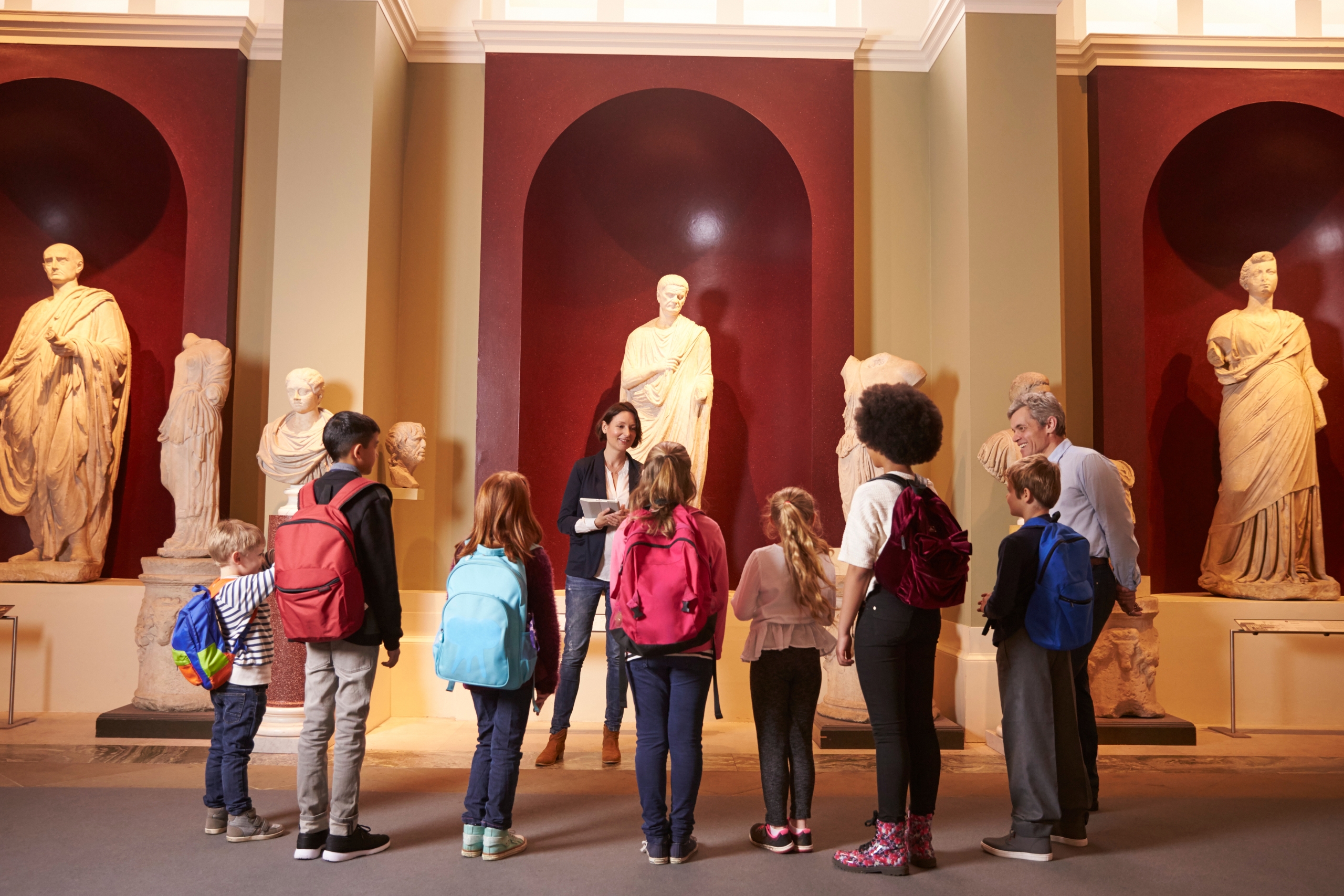
Field trips have long been considered an important extension of classroom learning. From museum visits and science centers to historical landmarks and community institutions, these educational outings aim to provide students with real-world experiences that textbooks alone cannot fully deliver. However, with the rise of digital learning tools, virtual classrooms, and technology-driven instruction, many educators and parents question whether field trips remain relevant in today’s modern school system.
As schools adapt to evolving educational standards and technological advancements, experiential learning continues to compete with online simulations and interactive media. Some argue that virtual experiences are more efficient and cost-effective, while others believe that in-person exposure fosters deeper understanding and engagement. Examining the purpose of field trips and their role in contemporary education helps determine whether they still provide measurable benefits for students. Understanding their impact on academic growth, social development, and practical learning reveals their ongoing value in today’s educational landscape.
Experiential Learning Beyond the Classroom
Field trips offer hands-on learning experiences that enhance classroom lessons. Visiting museums, laboratories, farms, or cultural sites allows students to see concepts applied in real-life contexts.
For example, science lessons become more meaningful when students observe experiments or natural ecosystems firsthand. History lessons gain depth when learners walk through historical landmarks rather than only reading about them.
Within structured experiential learning strategies and modern educational engagement practices, field trips remain powerful tools for reinforcing theoretical knowledge. Physical presence in learning environments stimulates multiple senses, strengthening memory retention.
This immersive approach often leaves lasting impressions that traditional lectures cannot replicate.
Enhancing Social and Emotional Development
Field trips also contribute to social growth. Students collaborate, communicate, and navigate new environments together, strengthening teamwork and interpersonal skills.
Exposure to diverse settings fosters adaptability and confidence. Learning outside the classroom encourages curiosity and open-mindedness.
Within evolving student-centered education systems and holistic development approaches, social interaction plays a key role in shaping well-rounded individuals.
These experiences promote independence and responsibility, particularly when students manage schedules or follow group guidelines during outings.
Comparing Physical Field Trips and Virtual Tours
Modern technology has introduced virtual field trips through video conferencing, 360-degree tours, and augmented reality platforms. These alternatives offer cost-effective and accessible learning opportunities.
Virtual tours allow students to explore global landmarks without travel expenses. However, they may lack the sensory immersion and spontaneous interaction that in-person trips provide.
Balancing traditional field trips with digital experiences can maximize educational impact. Each method offers distinct advantages depending on learning objectives.
Hybrid approaches may represent the future of experiential education.
Academic Impact and Knowledge Retention
Studies suggest that experiential learning improves long-term retention. When students actively participate in observing and interacting, they are more likely to remember key information.
Field trips can also spark interest in subjects that students previously found challenging. Engaging environments often inspire curiosity and motivation.
Within progressive innovative curriculum development and applied learning models, real-world exposure strengthens academic comprehension.
Teachers can integrate follow-up activities to connect field experiences directly to classroom assessments.
Challenges and Practical Considerations
Despite their benefits, field trips face logistical and financial challenges. Budget limitations, safety concerns, and transportation costs can restrict opportunities.
Schools must carefully plan trips to align with curriculum goals and ensure meaningful outcomes. Clear objectives and structured activities enhance educational value.
Parental involvement and administrative support also influence feasibility.
Proper planning ensures that field trips remain purposeful rather than purely recreational.
Conclusion
Field trips continue to serve an important role in modern education by bridging theoretical knowledge with real-world experiences. While digital tools and virtual tours offer valuable alternatives, in-person learning environments provide unique sensory engagement and social interaction that technology cannot fully replicate. Experiential exposure enhances academic retention, nurtures curiosity, and supports emotional development. Although financial and logistical challenges may limit frequency, carefully planned field trips aligned with curriculum objectives deliver measurable benefits. Combining traditional outings with virtual learning experiences may offer the most balanced approach in today’s evolving educational system. Ultimately, field trips remain effective when integrated thoughtfully into broader teaching strategies. By maintaining clear educational goals and fostering meaningful engagement, schools can ensure that field trips continue to enrich student learning in meaningful and impactful ways.