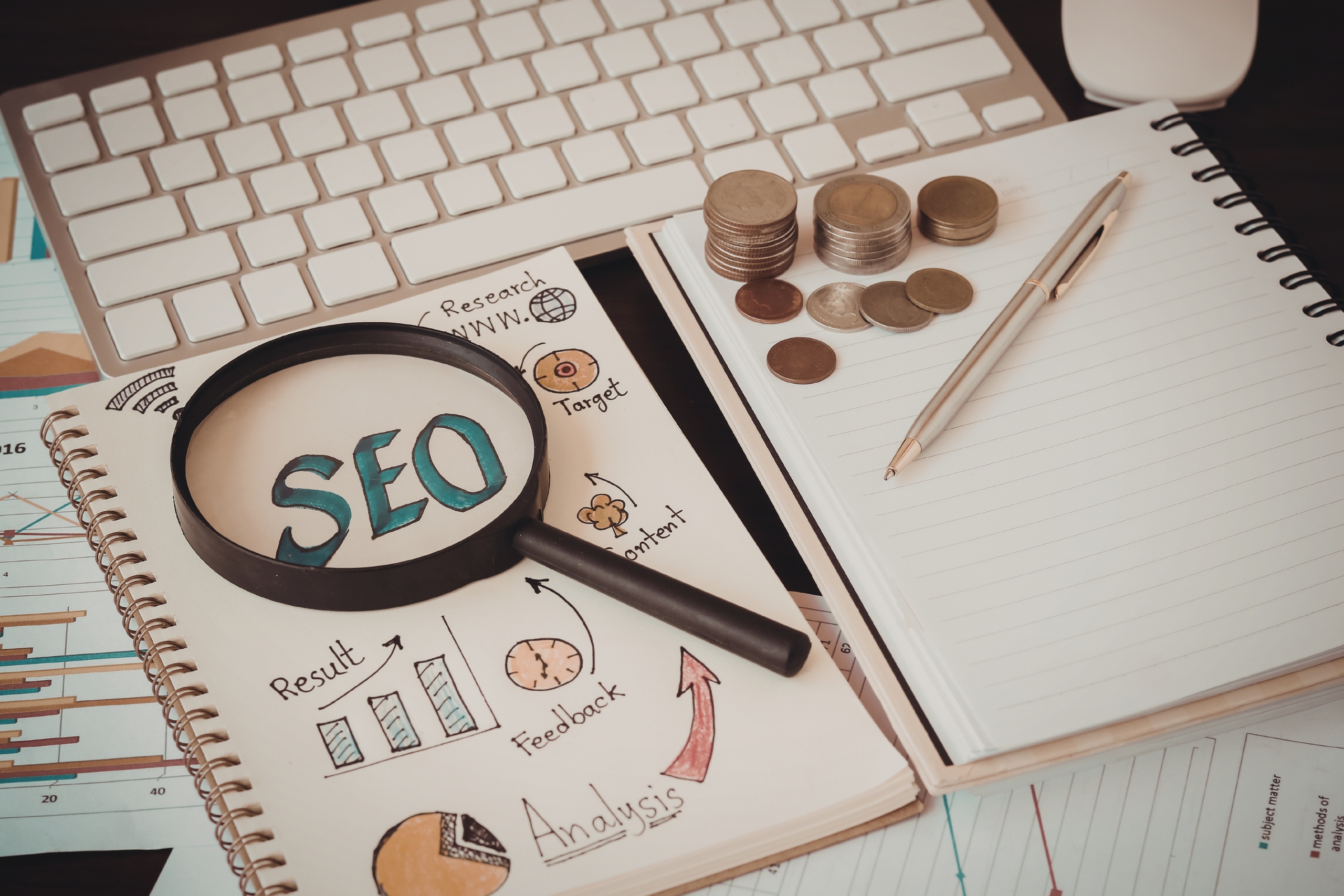
Search engine optimization is no longer limited to ranking on Google alone. In 2026, SEO marketing has expanded across multiple digital platforms, including Facebook, TikTok, and YouTube. These platforms function as search engines within their own ecosystems, where users actively look for products, services, and information. Businesses that understand how to optimize content beyond traditional search engines gain a competitive advantage without necessarily increasing their marketing expenses.
Budget constraints remain a common challenge for small and medium-sized businesses. However, smart strategy often matters more than higher spending. By repurposing content, understanding platform algorithms, and focusing on audience intent, brands can maximize visibility across multiple channels. Applying SEO principles—such as keyword research, optimized captions, strategic hashtags, and engaging thumbnails—allows businesses to reach wider audiences organically. In today’s digital landscape, multi-platform optimization is essential for sustainable growth and brand recognition.
Understanding Platform-Specific Search Behavior
Each platform operates differently, and understanding user behavior is the first step. On Google, users search through keywords. On TikTok and YouTube, users search using conversational phrases, trends, and visual cues. Facebook users often rely on groups, marketplace searches, and page recommendations.
In modern multi-platform SEO marketing strategies and cross-channel organic growth techniques, adapting content to fit each platform’s algorithm is crucial. For example, TikTok rewards engagement and watch time, while YouTube prioritizes click-through rate and audience retention.
Instead of creating separate content for each channel, businesses can tailor one core message into different formats. A blog post can become a short-form TikTok video, a YouTube explainer, and a Facebook infographic.
Understanding search intent across platforms ensures content reaches the right audience organically.
Repurposing Content to Maximize Reach
Creating fresh content for every platform can strain resources. Instead, repurposing existing content allows businesses to maintain consistency without increasing budget.
For instance, a long-form YouTube video can be clipped into shorter TikTok reels. Key points from the same video can become Facebook carousel posts. Blog content can be transformed into short educational scripts.
Within cost-efficient digital brand visibility and social media content optimization frameworks, repurposing strengthens brand presence while saving time and money.
Consistency across platforms reinforces authority and improves recognition. Strategic editing—not duplication—ensures each version aligns with platform style.
Efficient repurposing transforms one idea into multiple visibility opportunities.
Optimizing for TikTok Search in 2026
TikTok has evolved into a search engine for younger audiences. Users now search for tutorials, product reviews, and recommendations directly within the app.
Optimizing TikTok content involves including searchable phrases in captions, on-screen text, and spoken dialogue. Keywords should match how users naturally ask questions.
Hashtags remain important but should be relevant rather than overly broad. Clear subtitles improve accessibility and retention.
TikTok SEO relies heavily on engagement signals such as comments, shares, and watch time. Encouraging interaction increases organic reach.
Leveraging YouTube SEO Without Paid Ads
YouTube continues to function as a powerful search engine. Optimizing titles, descriptions, and tags helps videos rank both on YouTube and Google search results.
Thumbnails significantly impact click-through rates. Clear, high-contrast images with readable text improve performance.
Within evolving video content ranking and algorithm-driven audience engagement strategies, retention time is critical. Delivering value early in the video encourages viewers to watch longer.
Playlists and internal linking between videos strengthen channel authority without additional ad spending.
Consistent publishing builds algorithm trust over time.
Organic Growth Strategies on Facebook
Although Facebook’s organic reach has declined, strategic posting still drives results. Using searchable keywords in captions, engaging in niche groups, and encouraging meaningful discussions improve visibility.
Facebook Marketplace and community groups offer additional discovery opportunities. Live videos often receive higher engagement than static posts.
Cross-posting YouTube or TikTok content natively—rather than linking externally—can enhance reach.
Building community interaction strengthens organic distribution without paid promotion.
Conclusion
SEO marketing in 2026 extends far beyond traditional Google rankings. Platforms like Facebook, TikTok, and YouTube now function as independent search ecosystems where users actively seek information and recommendations. Businesses that adapt SEO strategies to these channels can expand visibility without increasing marketing budgets. By understanding platform-specific search behavior, repurposing content effectively, optimizing for conversational keywords, and focusing on engagement metrics, brands can achieve sustainable organic growth. Strategic consistency across channels reinforces authority and audience trust. Instead of allocating more funds to advertising, companies can leverage smart optimization techniques and algorithm awareness to maximize results. In a multi-platform digital landscape, success depends on adaptability and intentional content distribution. Ultimately, applying SEO principles across social platforms ensures broader reach, stronger engagement, and long-term brand visibility without unnecessary spending increases.